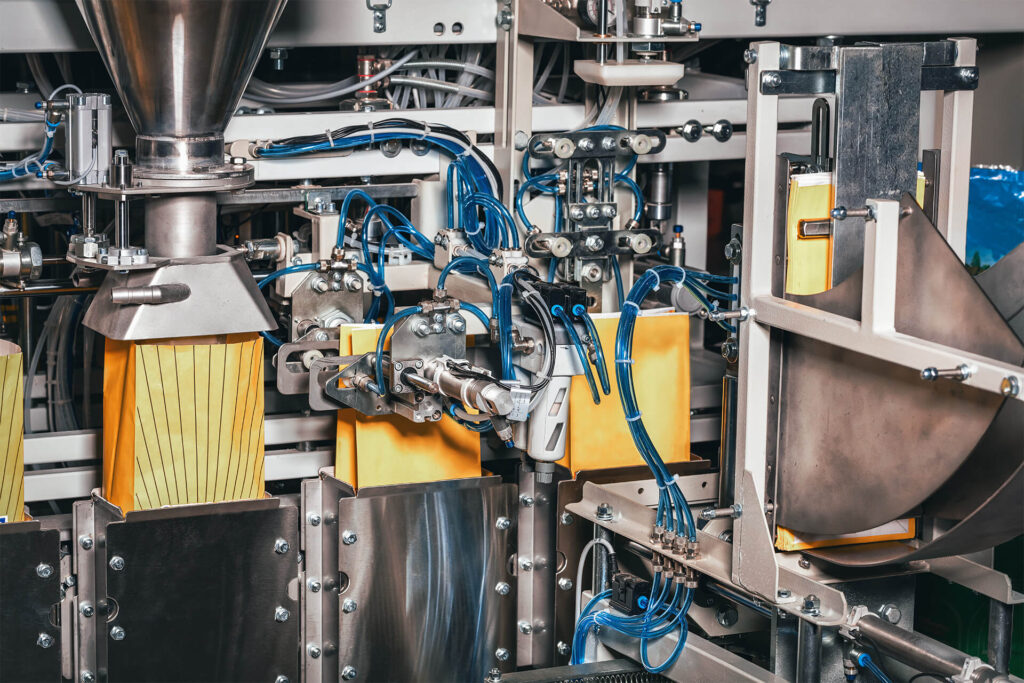
Pressure switches for robust heavy-duty applications

In construction and environmental technology, machines operate under harsh external influences: constant vibration, dirt, temperature fluctuations, and high mechanical stress are the norm. A pressure switch that is to withstand these conditions needs more than just an accurate switch point; it must maintain it even when everything around it is shaking. This is precisely what our heavy-duty versions are built for.

Pressure switches for heavy-duty applications

Typical Application Areas

Two machines for which continuous load is part of everyday life:

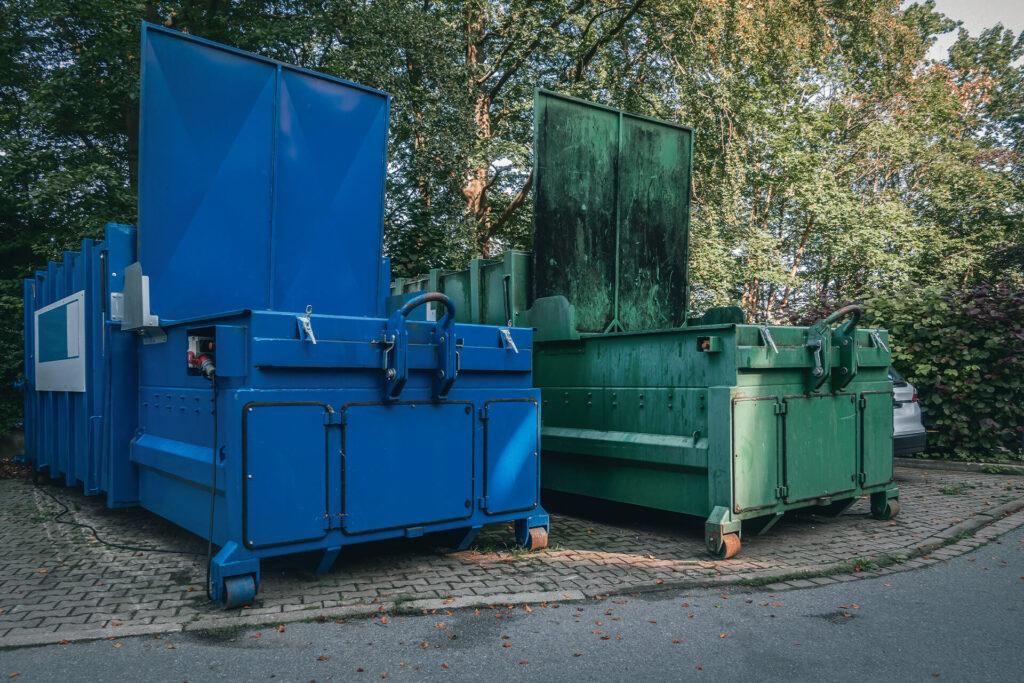
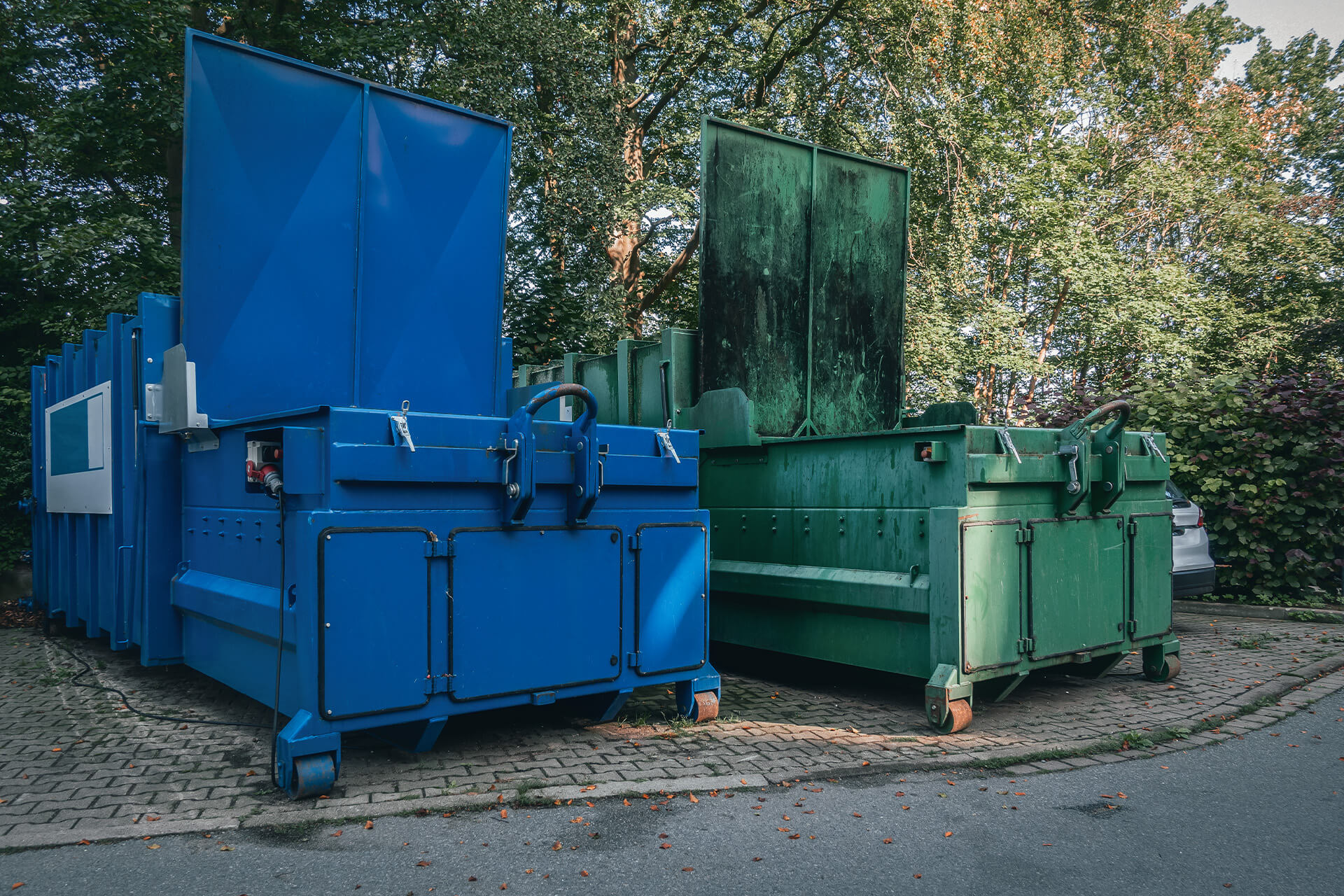
Waste compactors

Piston mortar pumps

Application Case 01

Waste compactors – monitoring hydraulic compaction pressure

A waste compactor compresses until the hydraulic pressure reaches its limit, typically at around 150 bar rising. Our pressure switch detects this point and shuts down before the hydraulics are overloaded. At the same time, the reproducible switch point ensures that every compaction cycle is consistent. It is designed with a vertical flange, is pressure-resistant, and is insensitive to vibration during continuous operation.

Why our pressure switch is ideally suited:

Application Case 02

Piston mortar pumps – monitoring compressed air and water pressure

On the construction site, pressure monitoring controls when the piston mortar pump starts and stops. The hysteresis is intentionally set wide here: a narrow window would cause the pump to switch on and off constantly. Our pressure switch monitors compressed air and water in a version that withstands dirt and shocks.

Why our pressure switches are ideally suited:

FAQ

Frequently Asked Questions

For us, heavy duty does not just mean “robust”. In such applications, several loads often act on the pressure switch simultaneously: high system pressures, strong vibrations and shocks, changing temperatures, dirt or moisture, and in some cases, a high number of switching cycles. The decisive factor is therefore the interplay of mechanical construction, suitable materials, secure electrical connection, and switching behavior that fits the respective application.

The set switch point is only one part of the design. Especially in hydraulic systems, significantly higher pressures can occur briefly than in normal operation. Such pressure peaks and rapid pressure changes must be taken into account when selecting the switch. Therefore, we distinguish between the actual operating or switching range and the maximum permissible pressure load of the respective series. For highly dynamic applications, we additionally consider how frequently and how quickly these loads occur.

In addition to the operating pressure and the desired switch point, the maximum system pressure, possible pressure peaks, and the dynamics of the pressure curve are particularly important. Additionally, we require information on the medium, temperature, installation location, vibration and shock load, as well as the desired electrical interface. The expected switching frequency can also be decisive. On this basis, it can be assessed which series and version is suitable for the actual load.

CUSTOMIZED PRESSURE MONITORING

Precision for Every Application