Pressure switches for infrastructure & thermal management

In energy and utility systems, failures rarely announce themselves loudly. They usually begin with a pressure deviation that goes unnoticed in normal operation. Our pressure switches monitor precisely these limit values—low-drift over many years, in the low-pressure range below 500 mbar as well as in high-pressure applications above 100 bar. They report the deviation while it is still only a warning.
Pressure switches for infrastructure & thermal management

Typical Application Areas

Three systems in which a single pressure value determines whether equipment damage occurs:

Expansion devices

on power transformers

Refrigeration systems

Heating systems

Application Case 01

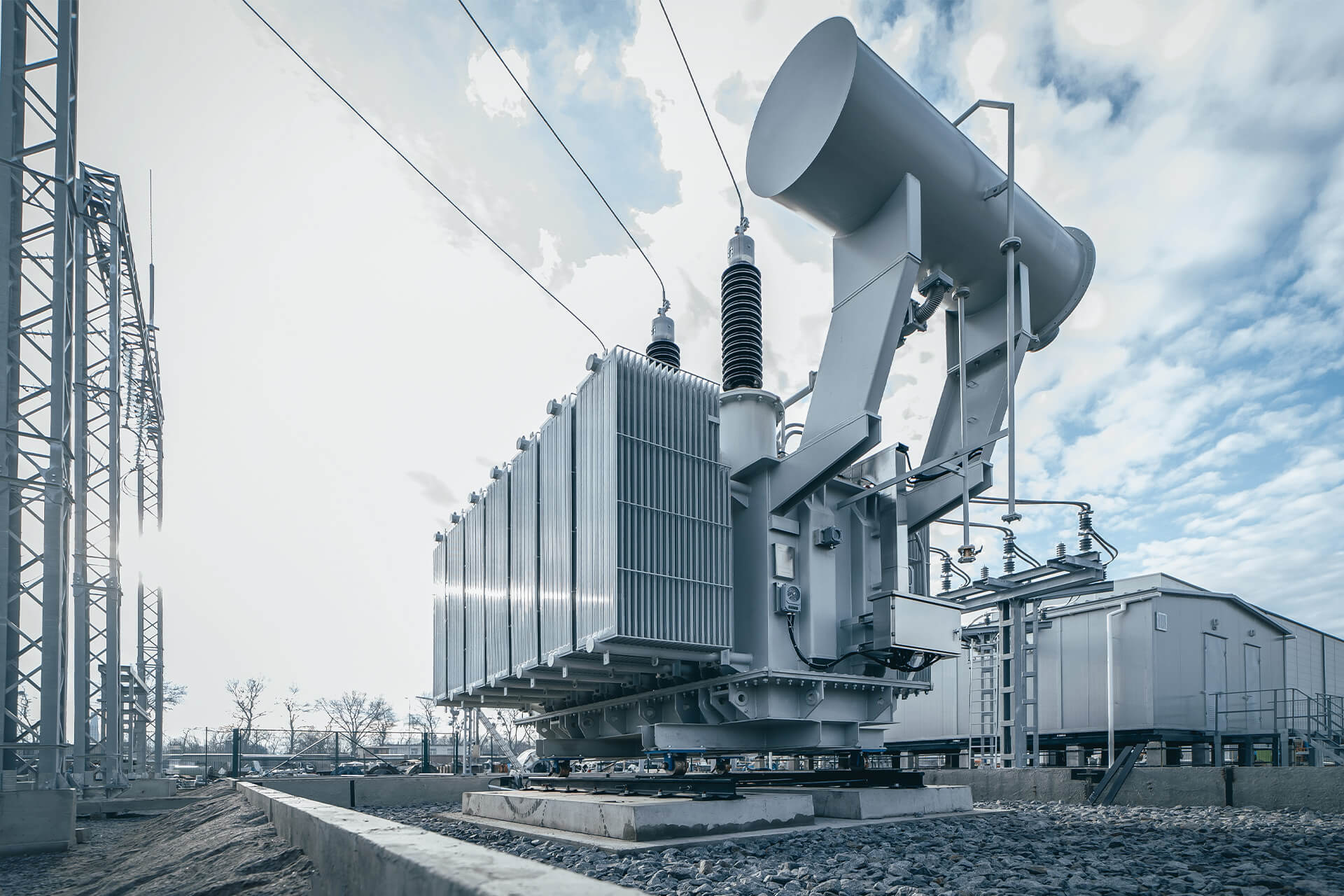
Power transformers

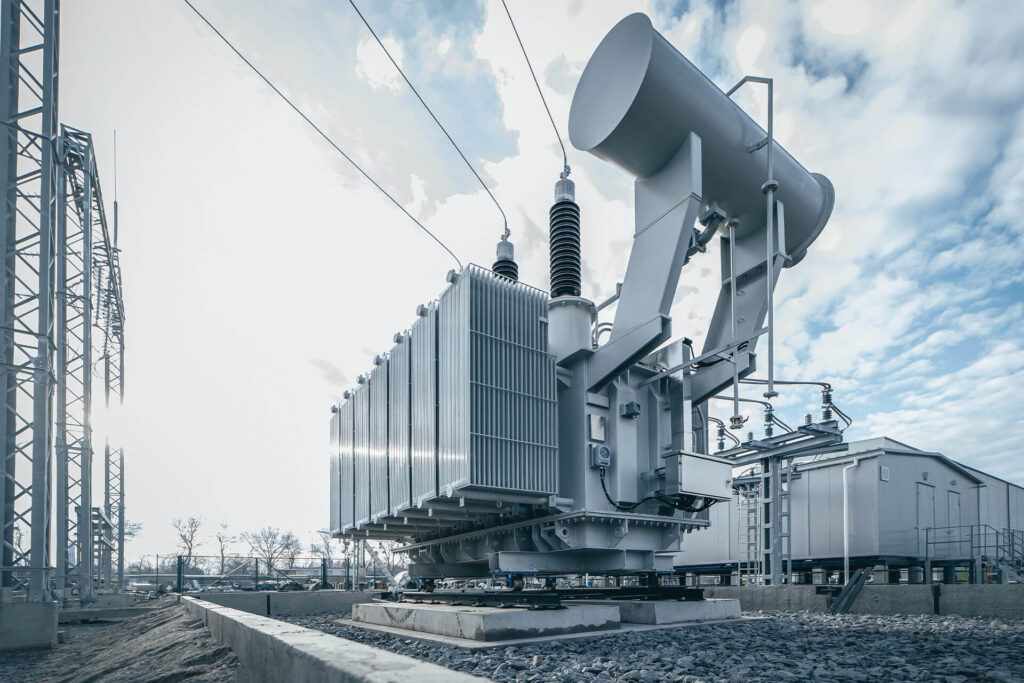
In oil-cooled power transformers, hermetically sealed expansion tanks (conservators) compensate for temperature-related volume changes in the insulating oil. If a malfunction occurs, the pressure can continue to rise. In extreme cases, there is a risk of housing failure, explosions, and widespread power outages. The pressure switch detects impermissible pressure conditions at an early stage and enables timely shutdown or alarm notification.

Why our pressure switches are ideally suited:

Application Case 02

Refrigeration systems

To operate modern refrigeration systems—especially $CO_2$ systems—efficiently and safely, control of operating pressure is crucial. Fluctuating pressure ranges require components that reliably perform both safety and optimization functions.

A critical point in cooling units (e.g., for CNC machines, laser systems, or fast-charging stations) is cooling-water pressure. If it falls below a critical value (typically approx. 3.5 bar), overheating may occur. Our pressure switches act as a low-water cut-off: they detect the drop immediately and prevent severe machine damage by switching in time.

Why our pressure switch is ideally suited:

FAQ

Water cooling circuits

This value ensures sufficient flow through the cooling circuit.

Switching off too early or too late can cause damage.

Yes, for integrated cooling modules.

Yes.

Yes.

Yes.

Yes.

Through reproducible switch points.

Anwendungsfall 02

Mindestdrucküberwachung in Heizungsanlagen

In geschlossenen Heizungsanlagen ist ein ausreichender Systemdruck Voraussetzung dafür, dass Heizkreislauf und Umwälzpumpe zuverlässig arbeiten. Sinkt der Druck durch Leckagen, Entlüftungsvorgänge oder Wartungsarbeiten zu stark ab, kann Luft in das System gelangen.  Ein zu niedriger Anlagenfülldruck kann dazu führen, dass die Umwälzpumpe nicht mehr ausreichend durchströmt wird und trockenläuft. Mögliche Folgen: Kavitation, erhöhter Verschleiß oder im Extremfall ein Pumpenausfall.  Der Druckschalter überwacht den Mindestdruck (typisch ca. 0,7 bar fallend) und löst bei Unterschreitung eine Abschaltung oder Störmeldung aus, bevor Schäden entstehen.

Warum unsere Druckschalter ideal geeignet sind:

FAQ

Frequently Asked Questions

The pressure switch monitors a defined limit value within the system and, if it is exceeded or undershot, sends an electrical signal to the control system. Depending on the application, this can trigger a warning message or shut down a system. This allows critical pressure conditions to be detected at an early stage—for example, a pressure increase on a power transformer or pressure that is too low in a cooling or heating circuit.

Many infrastructure and thermal management applications operate largely unmonitored over long periods. The pressure switch must therefore respond reliably at the intended limit value even after extended operating times. Switching too early can cause unnecessary system downtime, while switching too late can impair the protective function. What is crucial, therefore, is the most stable and reproducible switching behavior possible over the entire service life.

In addition to the pressure range and switch point, the electrical connection can also be decisive. For applications with increased requirements for mechanical robustness and environmental resistance, heavy-duty versions with an M12x1 connection are available, for example. If higher electrical power is also required, an M12x1 connection with S-coding can also be used—depending on the application and switch version. The connection and contact load should therefore always be considered together with the electrical and mechanical requirements of the application.

Key factors are operating and system pressure, the desired switch point and switching direction, the medium, temperature range, pressure connection, as well as the electrical load and desired connection type. Depending on the installation location, requirements for housing, diaphragm, and sealing materials, corrosion protection, ingress protection, or mechanical robustness may also apply. On this basis, we assess which standard version is suitable and whether a custom adaptation is advisable.

CUSTOMIZED PRESSURE MONITORING

Precision for Every Application