Pressure switches for maritime applications

Saline air, constant vibration, fluctuating temperatures: what is considered an exceptional condition on land is normal operation at sea. Components not designed for this age accordingly fast. Ours are: corrosion-resistant materials up to 316Ti stainless steel, robust designs, and switch points that remain where they were set, even under continuous load.
Pressure Switches for Maritime Applications

Typical areas of application at sea

Three systems on board where the pressure must be correct:

Ballast water systems

Monitoring of hydraulic valve flaps

Fire extinguishing systems

Ensuring the required system pressure

Reverse osmosis systems

Pressure control in drinking water treatment

Application Case 01

Ballast Water Systems

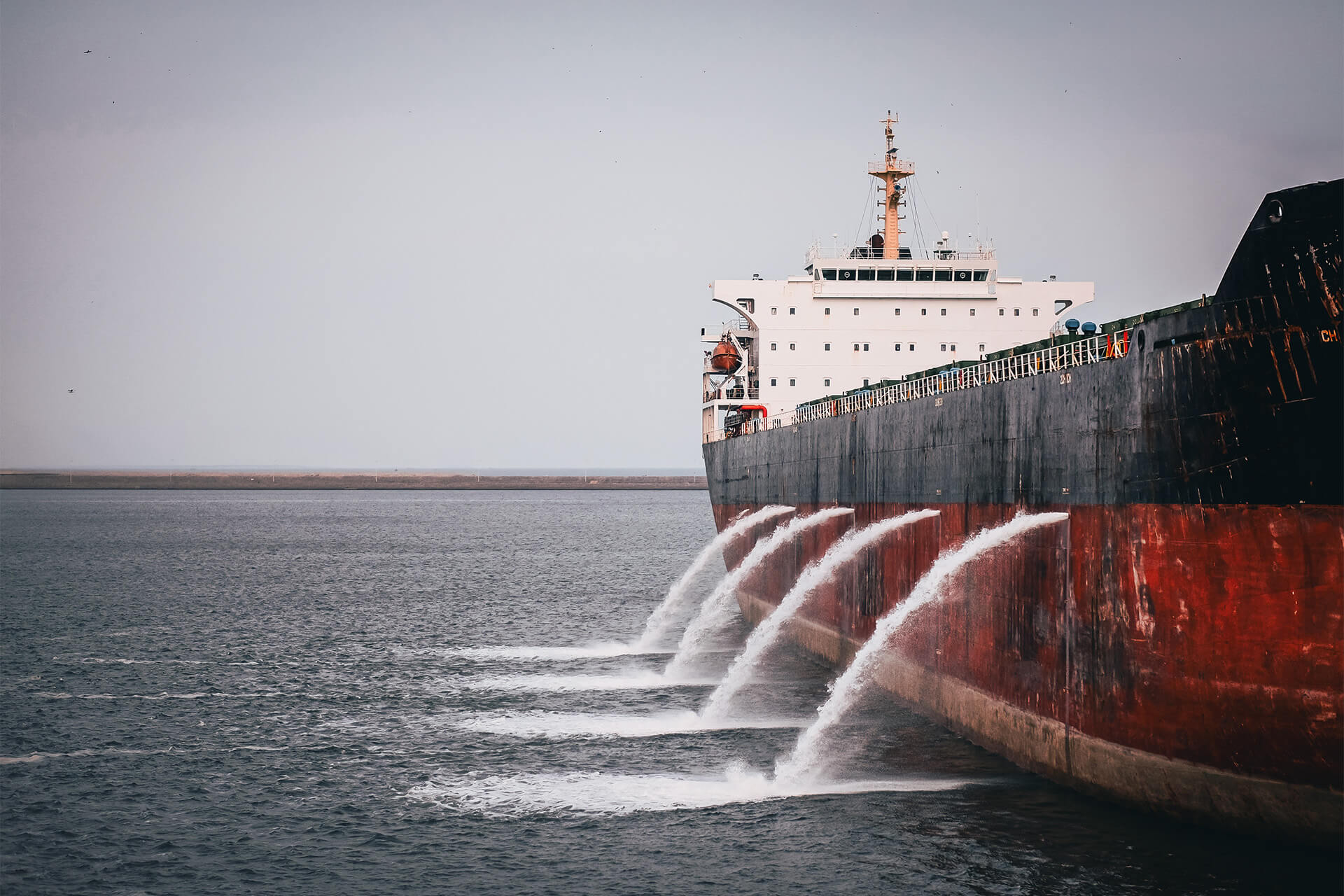
Without ballast water, a ship would sit too high or too low in the water depending on its load. The valve flaps that pump water in and out operate hydraulically, and the pressure required for this must be correct at all times. Our pressure switches monitor it continuously, even in the event of strong vibrations, temperature fluctuations, and harsh environmental conditions. Fault conditions are noticed before a flap stops switching.

Why our pressure switches are ideally suited:

Application Case 02

Reverse Osmosis Systems

In reverse osmosis systems, a pump forces seawater through a membrane at a defined pressure until drinking water remains. If the pressure is not correct, the yield drops or the membrane is damaged. Our pressure switches monitor process pressures even with saline media and high pressure levels, using 316Ti stainless steel in the wetted area. They are designed for setting ranges up to 320 bar and system pressures up to 600 bar.

Why our pressure switches are ideally suited:

FAQ

Frequently Asked Questions

At sea, several stresses occur simultaneously: saline air, moisture, fluctuating temperatures, vibrations, and – depending on the installation site – direct contact with aggressive media. Therefore, a pressure switch must not only reliably maintain the desired switch point. Equally important are the correct material selection, suitable sealing, the electrical connection, and protection against external influences. Which version is suitable depends heavily on whether the switch is used, for example, in a protected engine room or directly in a corrosive environment.

In maritime applications, a distinction must be made between the external environment and the actual pressurized medium. Saline air poses different requirements than direct contact with seawater. For particularly corrosive applications, versions with highly corrosion-resistant stainless steel materials in the wetted area are therefore available. However, the specific media and material compatibility is always decisive – especially in reverse osmosis systems where saline water is permanently processed under high pressure.

Hydraulic ballast water systems and reverse osmosis systems place very different requirements on pressure monitoring. While dynamic pressure curves and pressure peaks can occur in hydraulic valve controls, reverse osmosis systems work with continuously high process pressures. Therefore, we do not consider the switch point and setting range in isolation, but always together with the maximum system pressure and the expected pressure peaks. In this way, the switch design can be matched to the actual load on the system.

In addition to the operating pressure, desired switch point, and switching direction, we require information on the medium, the maximum system pressure, and possible pressure peaks. Equally important are the temperature range, installation site, pressure connection, and electrical interface. For maritime applications, information on humidity, saline atmosphere, direct media contact, vibration, and the required protection class is also included. On this basis, materials, sealing systems, and electrical designs can be specifically matched to the respective application.

CUSTOMIZED PRESSURE MONITORING

Precision for Every Application