HERION & RAU Fluidtechnik | Anwendungen | Fire Suppression Systems
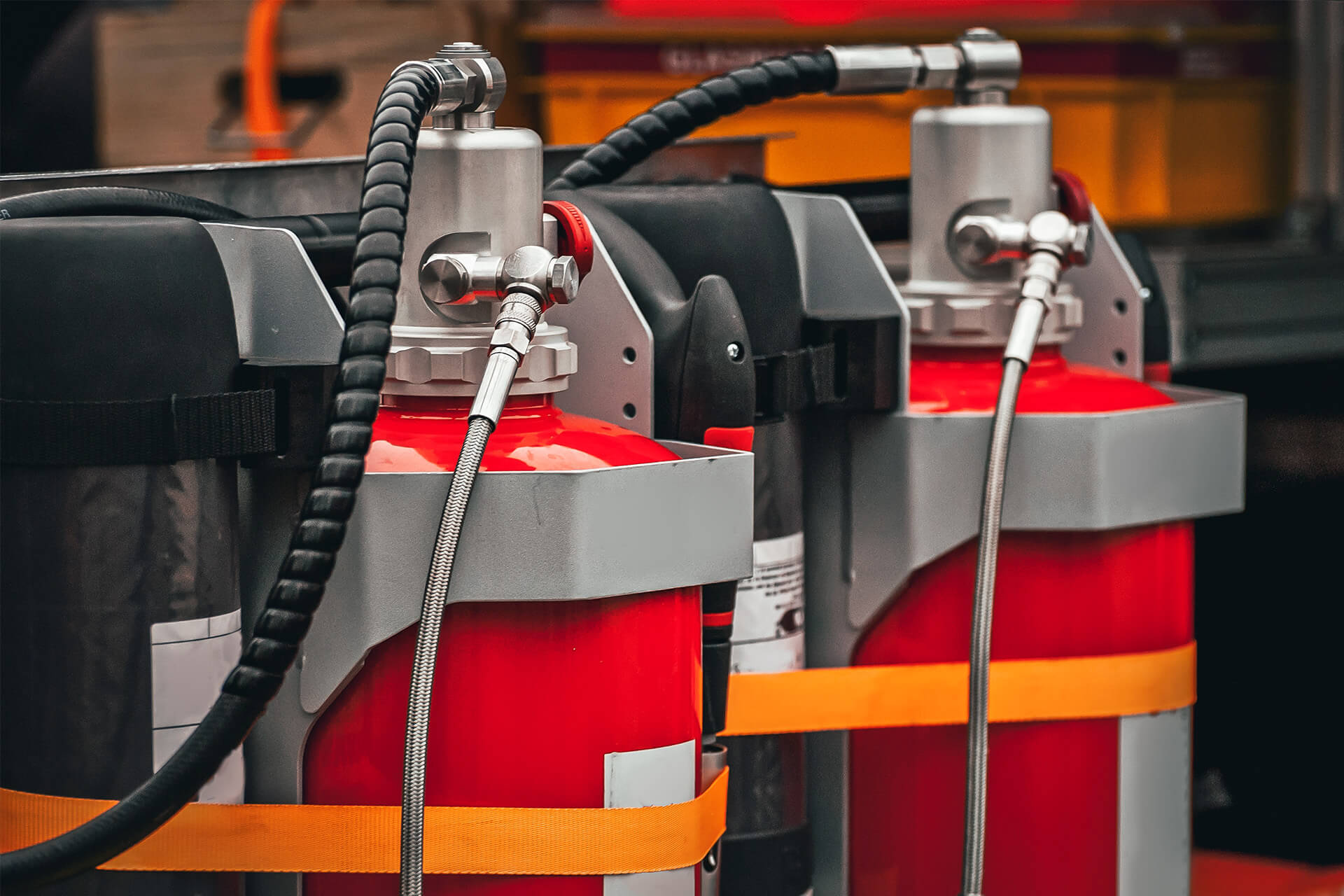
A suppression system proves its worth in exactly one moment, and that moment cannot be planned. For the system to activate, the pressure in the extinguishing agent cylinder must be correct. Our pressure switches monitor precisely that, day after day, often for years without incident. Each one undergoes a helium leak test, because a switch that itself becomes a leak point jeopardizes the very system it is meant to protect. Whether in a bus, mining vehicle, or stationary installation: it signals pressure loss before an unnoticed defect becomes a failure in an emergency.
Buses
Engine compartment monitoring
Ships
Stationary suppression systems
Mining vehicles
Vehicle and machinery compartments
Tanks
Interior monitoring
Commercial kitchens
Fire protection systems
Server rooms
Protection of critical infrastructure
Machine tools
Integrated suppression systems
Passenger vehicles
Engine compartment suppression
Wind power
Integrated suppression systems
The pressure switch does not trigger the suppression system itself. Its task is the continuous monitoring of the cylinder or system pressure. If the pressure drops below the defined threshold, it sends an electrical signal to the higher-level control or warning display. This allows pressure loss to be detected before the suppression system is needed in an emergency.
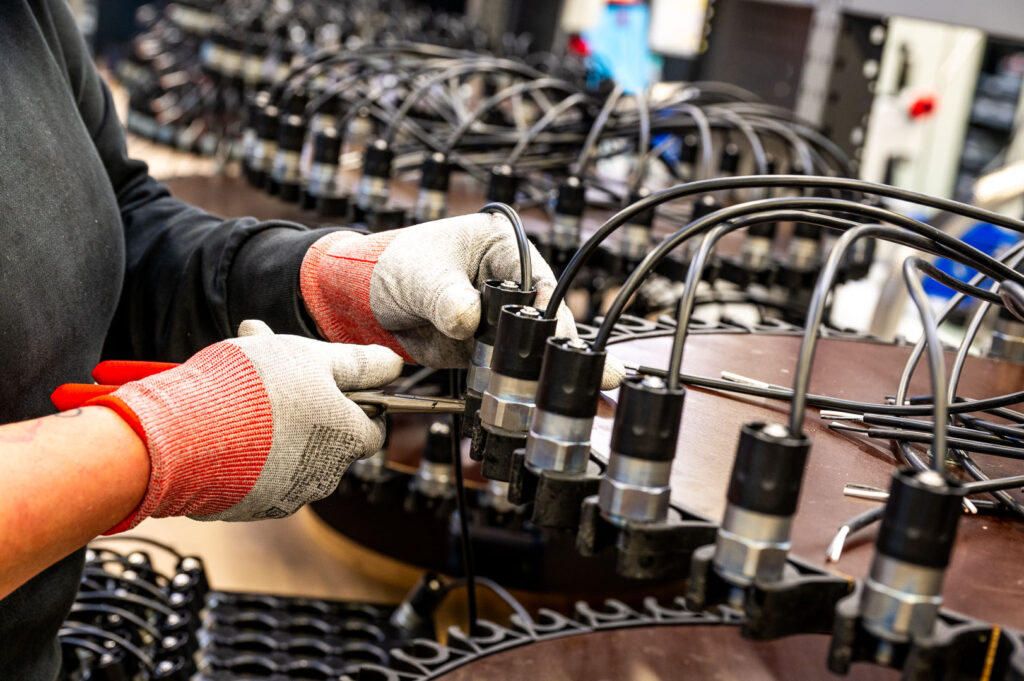
A pressure switch is itself a component of the pressurized system. A very small leak can therefore lead to unnoticed cylinder pressure drop over a long service life. For this reason, every switch intended for this application at bar-control is tested for leak integrity with helium. This verifies not only the switching function, but also the seal integrity of the component.
In buses, mining vehicles, or mobile machinery, vibrations, temperature fluctuations, moisture, and dirt act on the components for years. Therefore, in addition to the desired switch point, housing design, electrical connection, protection class, and mechanical durability must match the application. Variants with cable outlet up to IP68 are available, for example, for correspondingly demanding environments.

Critical factors include operating pressure, desired switch point, medium, temperature range, pressure connection and connection type, as well as ambient conditions. On this basis, it can be verified whether an existing variant is suitable or whether a customer-specific design makes sense.